Skip to content
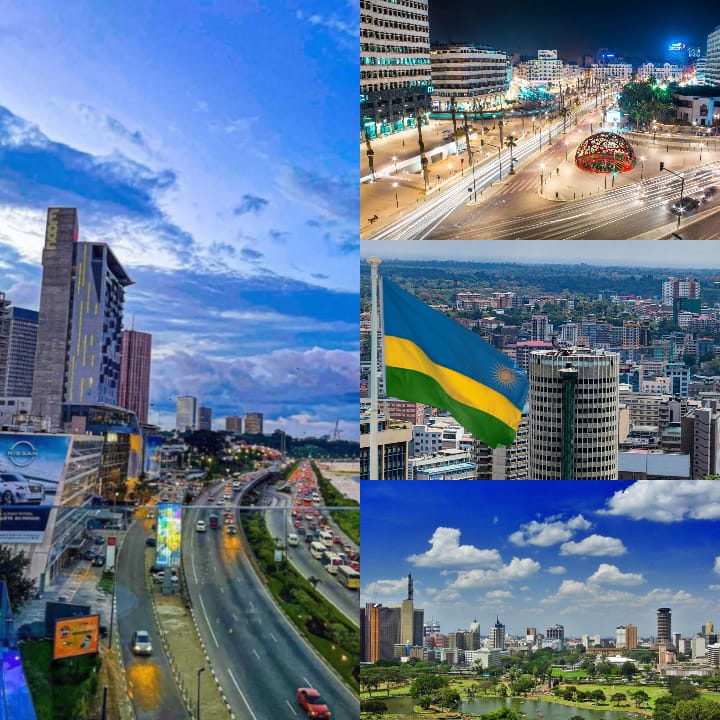
Africa is no longer a monolith of “emerging” potential; it is a landscape of specialized economic engines. The focus has moved toward fiscal stability and digital resilience. If you are looking to position your business this year, these are the top 10 locations and the strategic reasons behind their dominance.
1. Nigeria
West Africa’s largest commercial and startup hub, especially in fintech, e-commerce, logistics and consumer tech.
Lagos supports a massive population, high digital adoption and a vibrant entrepreneurial ecosystem.
Nigeria is Africa’s biggest economy and the continent’s most populous nation, with over 200 million people. That is a staggeringly huge number of consumers for any business to tap into, irrespective of the industry. Nigeria was among the forty-six most improved economies across the globe, as analyzed by the World Bank.
Nigeria presents more opportunities for investors not only because of the enormous population the country has but also because of the ease of processing business registrations and paying stamp duties
Best sectors: Fintech, retail, logistics, media, SaaS, agribusiness, e-commerce
2. Kenya
East Africa’s leading innovation and investment center, strong in fintech, agritech, healthtech, mobile platforms and SaaS.
Its tech ecosystem attracts global VC interests and regional headquarters for digital startups.
Kenya’s strength lies in regional connectivity, not just domestic demand. It serves as a manufacturing and logistics bridge between coastal trade routes and multiple land-linked East African economies.
The Port of Mombasa and the Standard Gauge Railway (SGR) support coast-to-inland trade flows, while industrial activity clusters around Athi River SEZ and Dongo Kundu SEZ. These corridors enable export-oriented manufacturing serving multiple land-linked economies.
The Kenyan government is also making efforts to develop and improve technological solutions for its agencies. This initiative has resulted in making business and property registrations easier as payment systems and digital certificates can now be paid and obtained online.
Best sectors: Fintech, agritech, healthtech, renewable energy, logistics
3. Egypt
North Africa’s largest business city and a fast-growing startup destination with strengths in AI, logistics, software and consumer tech.
Its large talent pool and strategic location boost foreign investment.
The North African giants boast being the largest economy in that region and Africa at large. Egypt has revitalized its economy to boost investors’ confidence and restore stability to capital markets since it got the backing of a $12 billion loan from IMF. Egypt’s reforms dragged it eight places up in the 2019 edition of the Ease of Doing Business report.
Best sectors: Manufacturing, logistics, fintech, construction, consumer goods
4. South Africa
A major entrepreneurship and innovation center with strong design, tech, clean energy, and digital media scenes.
Cape Town’s startup activity and high entrepreneurial culture support diverse business growth.
Johannesburg attracts institutional investors and fintech capital Southern Africa’s financial and commercial nucleus with deep capital markets and growing tech and green finance startups..
Best sectors: Manufacturing, finance, e-commerce, renewable energy, retail
5. Ghana
Rising West African hub for fintech, e-commerce, AI, and clean energy with supportive regulation and strong mobile penetration.
Proximity to ECOWAS markets adds strategic value for regional expansion.
The Ghanaian government is working hard to build a resilient and robust economy by promoting private sector-led growth to revive the non-oil and non-agricultural sectors. The rapid economic growth it has also enjoyed over the last few years has been linked to being an oil producer in 2010.
Best sectors: Fintech, e-commerce, renewable energy, education, agribusiness
6. Rwanda
Emerging destination for tech innovation, smart cities and startup growth, especially with projects like Kigali Innovation City.
Efficient regulation and ease of doing business are big draws.
Rwanda is one of Africa’s fastest-growing economies and a nation that has carried out the most reforms since the World Bank began the Doing Business initiative 2005.
The ease of doing business in Rwanda has transitioned from the traditional bureaucratic structures to a digitized system. Even more remarkable is that New Zealand is the only country to beat Rwanda to the first position in the ease of property registration in the world.
Best sectors: Tech, logistics, healthcare, tourism, green energy
7. Senegal
A growing finance, fintech and agritech center in West Africa.
Dakar’s younger demographic and digital ecosystem make it attractive for early-stage innovation.
Best sectors: Infrastructure, agribusiness, energy, fintech, logistics
8. Côte d’Ivoire
West African economic gateway with expanding agritech, logistics and e-commerce opportunities.
Strategic port infrastructure and a growing startup scene position it as a rising hub.
Cote d’Ivoire, the world’s largest exporter of cocoa beans, is one of the top 10 improvers globally in the Ease of Doing Business rankings. Processing time for building permits has improved too in the last two years.
A country whose economy is agro-based is expected to maintain a steady growth rate of 7% and above even in the coming year. These aren’t the only advantages the West African nation has to attract potential investors. Cote d’Ivoire has the second largest port in West Africa, making it favorable to import and export commodities into and out of the country.
Best sectors: Agribusiness, logistics, manufacturing, consumer goods
9. Morocco
A near-shore manufacturing, finance and trade hub linking Africa, Europe and the Middle East.
Its financial district and export zones attract international companies and investment.
The North African nation may be most known for its amazing landscapes and culture. Still, it is an amazing environment for investors and businesses on the business end of the country. It shouldn’t come as a surprise to you that Morocco moved from the 114th position to be ranked 60th position in the Ease of Doing business between 2011 and 2019. It goes to show how favourable climes there has seen sustained improvement. While its tourism industry is the pacesetter, the manufacturing industry is also expected to benefit from foreign investments.
Best sectors: Automotive, aerospace, textiles, renewable energy, logistics
10. Seychelles
It leads the continent in fiscal management and post-pandemic resilience. It is the premier hub for the “Blue Economy” (maritime resources) and sustainable finance, offering a highly secure environment for high-net-worth investments.
11. Mauritius
Ranked #1 in Africa for fintech capability and ease of doing business. Its transparent legal framework and network of double taxation treaties make it the preferred jurisdiction for fund management and cross-border trade into the rest of Africa.
12. Benin
Benin operates as a compact, trade-oriented gateway for West Africa. Activity is anchored by the Port of Cotonou, which supports high volumes of transit and re-export trade.
Benin is best positioned for logistics, packaging, light manufacturing, and re-export-oriented processing, particularly for servicing land-linked West African economies.
13. Tanzania
Benefiting from massive infrastructure upgrades like the Dar es Salaam port expansion. It is the primary logistics gateway for several land-linked inland economies in East and Central Africa.
The Africa O’Clock Perspective: 2026 is the year of the “Agile Frontier.” Successful brands are those that move into these high-reform markets early, leveraging the stability to build long-term value.
Best sectors: Logistics, mining services, agriculture, tourism, energy
Additional Emerging Business Nodes (Worth Watching)
These are rising sub-centers or special zones drawing investment:
- Konza Technopolis (Kenya) – smart city and technology cluster geared toward AI, IT services and manufacturing.
- Itana (Nigeria) – digital free zone outside Lagos designed to support remote and global digital businesses.
- Fumba Town (Zanzibar, Tanzania) – sustainable urban development and business zone.
Why These Locations Stand Out
Diverse Opportunity Sectors:
- Tech & innovation: Lagos, Nairobi, Accra, Kigali
- Finance & capital markets: Johannesburg, Casablanca
- Manufacturing & logistics: Casablanca, Abidjan
- Consumer markets: Lagos, Cairo, Cape Town
Strategic Connectivity: Coastal hubs and regional capitals support export, trade and logistics growth.
Why Africa’s Investment Map Is Shifting
Africa’s investment momentum over the last few years has been shaped by a convergence of capital inflows, infrastructure expansion, and targeted industrial policy. In 2024, foreign direct investment into the continent reached close to USD 100 billion, reflecting renewed confidence across manufacturing, construction and trade-linked sectors.
This shift is being reinforced by a few structural trends:
- Steady economic expansion: Sub-Saharan Africa has sustained real GDP growth of around 4%, driven largely by infrastructure, manufacturing, and services that directly support industrial development.
- Execution-led industrialization: More than 200 Special Economic Zones are now operational or under development, creating concentrated, export-oriented manufacturing ecosystems rather than dispersed industrial activity.
- Improved trade connectivity: Ongoing investment in ports, corridors, and logistics networks is reducing friction between production hubs and regional or global markets.
Together, these dynamics are reshaping where investors choose to locate operations, moving capital toward markets that combine scale, connectivity, and policy clarity.